

A DESTINATION
THAT HAS IT ALL
A DESTINATION
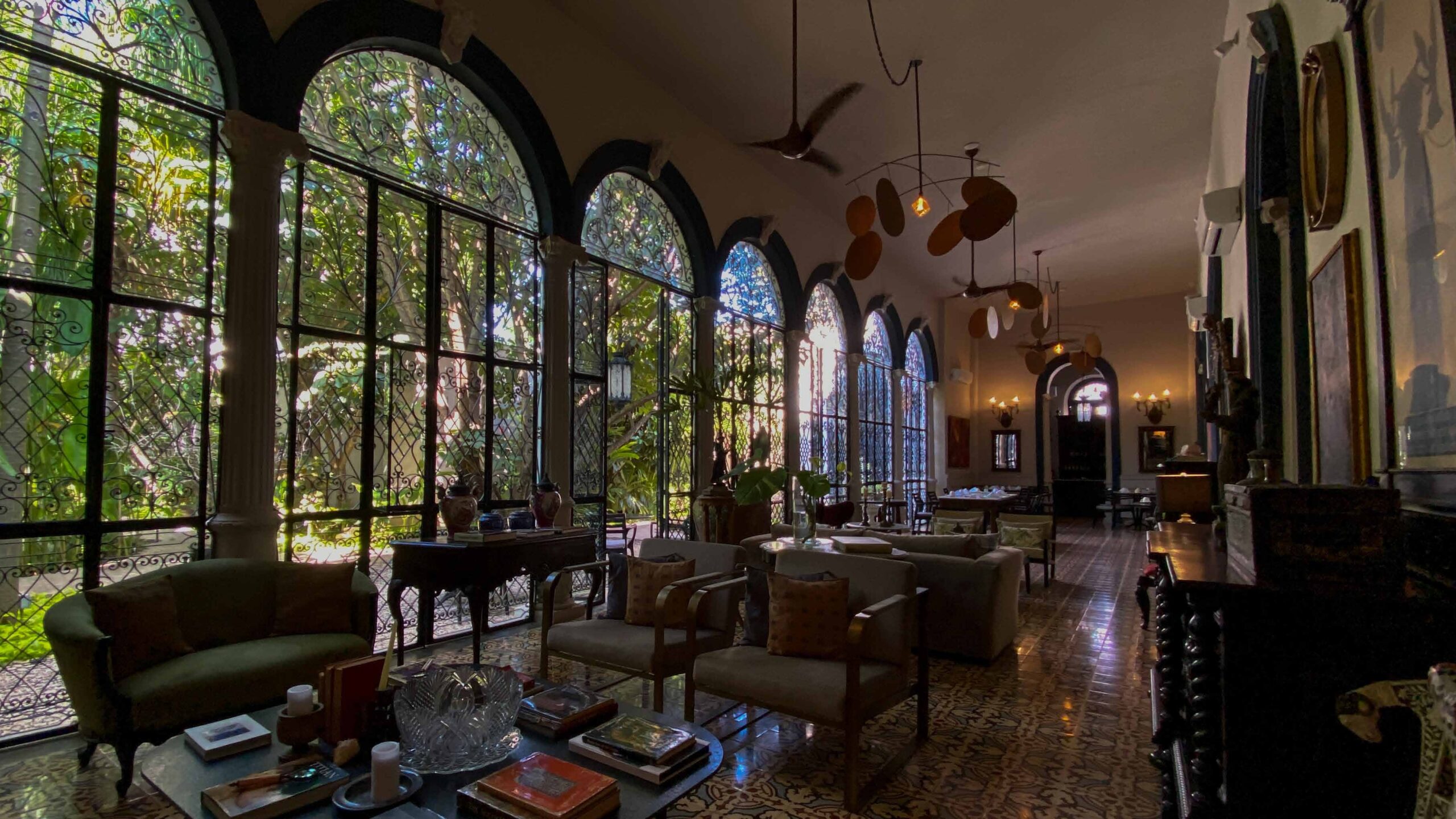
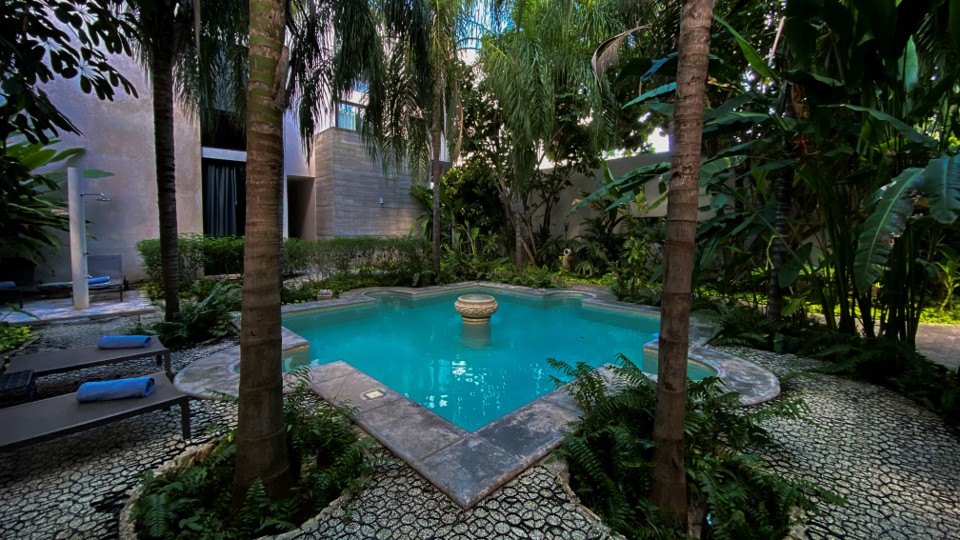
KÜNÜK, BOUTIQUE HOTEL
IN MERIDA
THAT HAS IT ALL
The Best Things To Do In Mérida, Mexico
Known for its colonial mansions and facades that feel just like a journey through time, Merida, the capital of Yucatan, is one of the most visited places in southern Mexico; a destination that has it all: history, nature, culture, and unforgettable views to capture in Instagram-worthy shots.
The historic center, where our beautiful hotel in Merida, Mexico is located, is a monument itself, with more than 400 years of history, impressive buildings, streets, and alleys that pass through many iconic places, such as the Cathedral of San Ildefonso, the Government Palace, and much more.
Discover the wide array of activities and things to do in Merida, Mexico, and let its essence make a home in your heart.
Explore the Merida's Historic Center
Composed of 19 blocks in which you will find all kinds of buildings and vestiges of the past, the Merida's Historic Center is where culture, society, and art converge.

Palaces and Monuments
Park of the Americas
This park is the main square of the city and consists of three sections: the first is a frontispiece with decoration inspired by an ancient Mayan style, the second is a construction that refers to their huts and houses, and the central piece is the hall of exhibitions, which contains educational murals by Bolaños Gallardo.
Cathedral of San Ildefonso
An unmissable construction located in the heart of the city. The Cathedral of San Ildefonso, which is located on one side of the Main Square, is the oldest in the entire continent. It dates from the 16th century, and inside you will find the Christ of Unity: the largest indoors sculpture of Jesus in the world.
The Government Palace
At the time, this building was the seat of the colonial government, and after the consummation of Independence, it was named the Government Palace. In the 19th century, the old building was replaced by the one that stands today, which was inaugurated in 1892 and contains murals by the Yucatecan artist Fernando Castro Pacheco.
City Hall
Here the Independence of Yucatan was decided, a proclamation in which it was officially separated from the Spanish Crown, and in 1871, 50 years after the consummation of independence, the first clock of the city was placed. Inside, resting on the wall, is the oldest coat of arms of Merida, a remnant of the history of the peninsula.
Arch of Saint John
In times of the crown, the limits of the city were stated by a series of arches, among which is the Arco de San Juan, a souvenir from the past that survives to this day. It is an imposing colonial structure that marks the old exit at the Camino Real to Campeche.
Paseo de Montejo
Inspired by the Champs-Élysées in Paris and named after the founder of the city –Francisco de Montejo–, the Paseo de Montejo is one of the main places to visit in Merida. Built between 1886 and 1905, it is an avenue where there are old houses that serve as museums, businesses, or homes.
Monument to the Homeland
Extremely imposing, 14 meters high, and carefully carved in stone, the Monument to the Homeland was inaugurated by the former President of the Republic Adolfo Ruiz Cortines in 1956. The northern part represents Lake Texcoco, and each of its 31 columns symbolize the States of the republic.






Cultural centers
Regional Museum of Anthropology and History
Located on Paseo de Montejo, this building is home to the display and conservation of the archaeological heritage of the city and its surroundings. Its large balcony in the form of a terrace from which you can see the Government Palace and the extension of Paseo de Montejo, as well as its collection of historical pieces, make it unmissable.
Great Museum of the Mayan World
Visiting the Great Museum of the Mayan World is one of the main educational activities in Merida. This space is considered one of the most important in Latin America and has four permanent rooms that show more than 500 archaeological pieces of great importance for Mesoamerican history.
House of Montejo
This house is one of the most surprising ancient buildings for history lovers looking for things to do in Merida. Built more than 400 years ago, it was designed to be the home of the Spanish settlers, and the front façade, which is beyond well-preserved, is the most valuable jewel of Plateresque art in civil architecture within Mexico.
Olympus Cultural Center
Located next to the Municipal Palace, the Olimpus Cultural Center usually tops the list of things to do in Merida. In it, you will find an exquisite sample of contemporary architecture, as well as spaces for the preservation and display of science and art, such as a planetarium, an auditorium, and multiple exhibition halls.
Jose Peon Contreras Theater
Inaugurated in 1908, the Jose Peon Contreras Theater is an artistic house with a spacious hall in the lobby that, on the one hand, connects with the performance room and on the other, with the upper lobby. The central dome is decorated with a work by the Italian painter Nicolas Alegreti, a fresco called “The allegory of arts and sciences”.
Activities in Merida, Mexico, and Its Surroundings
Impressive natural refuges in the form of cenotes, internationally recognized archaeological sites, and magical towns less than two hours away.
Chichen Itza
Time to arrive: 2:05 hours
Chichen Itza is probably the best-known Mayan archaeological complex in the world, only perhaps behind Tulum. Here, you can find the great ball field, the Temple of the Warriors, and the Wall of Skulls, among others, and at night you will be surprised by the amazing light shows and mapping spectacles in the pyramids.
Uxmal
Time to arrive: 1:10 hours
Located in the south of Yucatan, Uxmal is an archaeological Mayan zone that has been declared a World Heritage Site by UNESCO. 15 groups of buildings make up the city, and among them are the Pyramid of the Fortune Teller, the Nuns' Quadrangle, the Ball Game, and the Governor's Palace.
Tulum
Time to arrive: 3:40 hours
The archaeological zone of Tulum is the most emblematic of the coast of Quintana Roo, located a few hours by highway from the center of Merida. Its buildings are excellently preserved and El Castillo, its highest base, has impressive serpentine columns and two masks worth seeing.
Archaeological sites
In addition to the three large sites already mentioned, in the region you will find endless additional smaller sites distributed throughout the territory, such as the walled city of Mayapan (20 minutes away), in the municipality of Tecoh; Kabah(1:20 hours away) , in Santa Elena, with its Temple of the Masks; and Coba (three hours away), a Mayan city located between lakes and jungle.
Visit the Cenotes
Cool off and enjoy a unique experience visiting and swimming in the cenotes; imposing bodies of crystalline waters surrounded by nature. You can visit the San Lorenzo Oxman Cenote(2:30 hours away), the Ik-Kil Cenote in Chichen Itza, the Choo-Ha in Coba, the Homun-a Cenotes an hour away, and many more.
Celestun
Time to arrive: 1:15 hours
If you like nature and want to visit a unique place in the world, you cannot miss Celestun, a community adjacent to an abundant estuary, home to more than 1,400 species of plants and animals. One of the main attractions of Celestun is the cute flamingos that, when in season, can be seen in some bodies of water.
Pink lagoon
Time to arrive: 1:05 hours
If you want to take spectacular photographs in a natural environment straight out of a painting, you should visit the Laguna Rosada, a beach where the water, instead of being that familiar bluish color, is a deep pink, thanks to its large amount of salts and the colored microorganisms living in it.
Valladolid
Time to arrive: 2:20 hours
The third most populated city in Yucatan and a Pueblo Magico since 2012, Valladolid is a small colonial city –the oldest in the state– dating from the 16th century. Colorful streets, hidden cenotes, and historical vestiges from Mayan times. In Valladolid, you will be able to see the essence of Yucatan.